Picking In Between Assisted Living and Memory Care: A Practical Guide to Senior Care
Business Name: Hearthstone South Weber
Address: 6980 S 475 E, South Weber, UT 84405
Phone: (385) 380-3382
Hearthstone South Weber
Our assisted living and memory care community sits in a quiet South Weber neighborhood at the mouth of Weber Canyon, minutes from Ogden Regional Medical Center and close to family across Davis and Weber counties. We offer Assisted Living private studio apartments for seniors who want independence with a helping hand: medications, bathing, dressing, meals, and housekeeping. We also provide Memory Care secure, calm setting with structured routines and 24/7 supervision for residents living with Alzheimer's disease or other dementia. We've cared for residents here since 2019, with attentive caregivers, home-cooked meals, and a calendar full of things to look forward to.
6980 S 475 E, South Weber, UT 84405
Business Hours
Deciding where an older grownup ought to live when self-reliance starts to wane is one of the hardest choices households face. The decision is hardly ever almost physicals. It touches identity, safety, money, household dynamics, and a lifetime of practices. When memory issues get in the image, the stakes rise even further.
Assisted living and memory care both sit under the broad umbrella of senior care, yet they serve different needs and presume different levels of risk. As somebody who has actually walked families through these conversations, I have seen exceptional outcomes and some painful missteps. The difference frequently boils down to timing, clear-eyed assessment, and sincere conversations.
This guide unloads how assisted living and memory care differ in practice, who grows where, and how to decide you can deal with, even if it is not perfect.
How Assisted Living Fits Into the Senior Care Landscape
Assisted living was originally created for older adults who do not require a nursing home, but can not or must not live entirely by themselves. The design focuses on real estate plus aid with day-to-day activities, layered with social opportunities and some standard health monitoring.
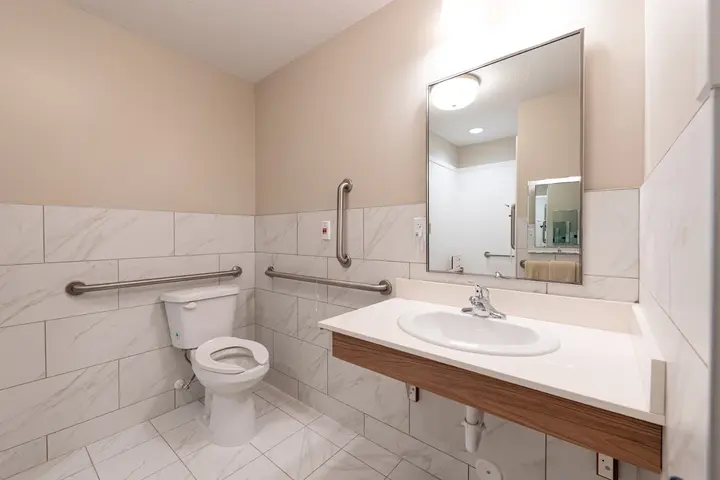
Residents generally have their own house or suite, with a personal restroom and a little kitchenette. Staff support normally includes help with bathing, dressing, grooming, medication reminders or administration, and in some cases escorts to meals or activities. Meals, housekeeping, and transportation are typically bundled into the regular monthly fee.
In lots of neighborhoods, assisted living works well for older adults who:
- Can interact their needs, preferences, and discomfort dependably
- Are primarily consistent on their feet, with or without a walker
- Can follow basic security guidelines, like utilizing a call button or waiting for support to transfer
- Have moderate lapse of memory but no major behavioral modifications or wandering
Assisted living can be an exceptional option to staying at home with an overstretched household or undependable outdoors help. It can also extend independence. A resident may utilize a walker securely, consume routine meals with peers, and receive timely medication, which can avoid falls and hospitalizations.
The difficulty emerges when memory modifications outpace the environment. Assisted living buildings are typically not locked. Doors might have alarms, however homeowners can still go out. Activities are not constantly customized to cognitive disability. Staff ratios are constructed around citizens who can normally manage themselves in between arranged tasks. That is where memory care comes in.
What Makes Memory Care Different
Memory care is a customized kind of elderly look after people living with dementia, including Alzheimer's disease, vascular dementia, Lewy body dementia, and other cognitive conditions. Some neighborhoods are standalone memory care centers, while others are separate, secured wings within a bigger assisted living building.
What differentiates memory care is not only locked doors, but a different viewpoint of care. The goal shifts from supporting partial independence to actively handling risk, structure, and sensory input for someone whose brain can no longer reliably analyze the world.
In well run memory care units, you normally see:
- Secured doors and enclosed outside areas to prevent risky wandering
- Higher staff to resident ratios compared with standard assisted living
- Staff trained in dementia communication, redirection, and behavioral techniques
- Simplified physical layouts to minimize confusion, with clear hints and landmarks
Schedules tend to be more structured. Meals happen at the exact same time, in the very same place, with consistent personnel. Activities are shorter, repeated, and developed around preserved capabilities instead of brand-new learning. Lighting, sound levels, and visual clutter get more attention because sensory overload can trigger stress and anxiety or aggression in dementia.
A person who repeatedly leaves the stove on in your home, gets lost on familiar paths, mismanages medications, or misunderstands simple directions is typically safer in memory care than in a standard assisted living setting. The environment is not only much safer for the resident, but likewise for other residents and staff, particularly when behaviors like nighttime roaming, exit looking for, or aggression appear.
Assisted Living vs Memory Care: The Practical Differences
On paper, the distinctions between assisted living and memory care can look nearly abstract. In practice, they show up in small day-to-day moments: who notifications that dad did not eat lunch, who reroutes mom when she is trying to go "home" at midnight, who handles medications when there is suspicion or paranoia.
Here is a concentrated contrast of common functions families inquire about:
|Aspect|Assisted Living|Memory Care||-- |-- |--|| Main purpose|Assistance with day-to-day jobs and socialization for relatively independent elders|Secure, structured environment and specialized assistance for individuals with dementia|| Safety functions|Opened main doors, call systems, some alarms|Safe doors, confined outdoor areas, alarmed exits, wander management|| Staff training|General senior care, fundamental dementia exposure|Focused dementia training, communication and behavior management abilities|| Personnel to resident ratio|Lower, based upon homeowners requiring intermittent aid|Higher, recognizing frequent cueing, tracking, and behavior support|| Daily structure|More flexible, option driven|More regular driven, foreseeable, and streamlined|| Cost|Typically lower|Usually higher due to staffing and security needs|
These are broad patterns, not rigid rules. Some high end assisted living communities have strong dementia shows and staffing, while some budget memory care units operate closer to fundamental custodial care. Touring specific buildings, observing, and asking difficult questions reveals more than any label.
Behavioral and Cognitive Hints That Memory Care May Be Safer
Families often wait too long to move a loved one from assisted living to memory care, in some cases out of love, in some cases out of denial. Citizens might say, "I'm not crazy, I'm not going behind locked doors." Adult children do not wish to be the bad guy. The outcome can be a dangerous "middle zone" where requirements have actually grown out of the existing setting.
Certain patterns need to prompt a major take a look at memory care, even if the person has actually not gotten a formal dementia diagnosis yet.
Repeated wandering or exit seeking is a significant indication. In one case I remember, a gentleman in assisted living left the building 3 times in a month, looking for his youth home. Personnel discovered him quickly each time, however the community was not protected. The household wanted to delay memory care because "he has great days." Excellent days do not counteract the danger on bad days. Memory care substantially minimized his elopement danger and his anxiety.
Escalating behaviors around sundown, often called "sundowning," can likewise stretch assisted living beyond its capacity. Citizens may rate, shout, refuse care, or implicate staff of stealing. Assisted living staff might not have enough time or dementia-specific training to step in early and effectively, particularly throughout hectic evening hours.
Care rejections or misinterpreting fundamental care tasks can also signify that the person no longer fits a primarily independent model. If staff should convince, re-approach, and creatively reframe every shower or dressing attempt, that work is far more in line with memory care staffing models.
Finally, reoccurring falls and poor safety awareness are serious, even if injuries are minor. A person who stands without locking their wheelchair, leans on an unsteady surface, or forgets to utilize assistive gadgets may do much better where personnel anticipate, and proactively address, such habits all day long.
When Assisted Living Is Still the Right Tier of Support
Not everyone with a memory diagnosis should relocate to memory care immediately. Moderate cognitive impairment, and even early dementia, can be manageable in assisted living if the environment and supports are right.
Assisted living might still be proper when:
The individual can reliably utilize a call button and accept wait times of a number of minutes for personnel response. Someone who impulsively gets up alone each time they need the bathroom, even after mentor and pointers, might be much better safeguarded in memory care.
They keep in mind and navigate familiar spaces. Getting slightly reversed in a new hallway is one thing. Repeatedly getting lost in between their own apartment or condo and the dining room, or getting in other citizens' rooms, suggests a greater level of supervision is warranted.
They can safely take part in group activities without becoming overwhelmed or distressed. If a resident delights in bingo, workout class, or chapel, even with some triggers, assisted living can nurture that engagement. If groups activate paranoia, agitation, or roaming, customized memory care activities may work better.
Their habits do not consistently interfere with others' security or well-being. Occasional confusion is normal. Regular screaming, hitting, sexually disinhibited behavior, or loudly implicating others can make a shared living environment untenable without the structure of memory care.
One important subtlety: some assisted living communities now provide "improved assisted living" or "early memory assistance" programs. These can bridge the gap, postponing or avoiding a relocate to a totally protected unit. The quality of such programs varies extensively, so visit, talk with current households, and observe both day and night shifts before counting on them.
Costs, Agreements, and Hidden Financial Pressures
Money seldom drives the discussion at the very start, however it typically winds up shaping what is possible. Assisted living is usually more economical than memory care, but the space can narrow when you include on greater care levels inside assisted living.
Many assisted living communities use a tiered prices system. The base rate covers space, board, and minimal assistance. Additional fees request medication management, incontinence care, escorts to meals, frequent transfers, and so on. As needs increase, monthly costs creep up, often going beyond entry level memory care in the exact same building.
Memory care, by contrast, frequently utilizes more bundled prices. The base rate includes a higher staffing level, secured environment, and extensive support with the majority of day-to-day activities. Families might experience less surprise add-ons, though there can still be extra charges for one-to-one guidance, medical materials, or specialized equipment.
It is smart to study the admission agreement carefully. Pay particular attention to:
- How the community specifies "expensive a care need" for assisted living and what triggers a compulsory move to memory care or discharge.
- How rate increases are managed, both yearly modifications and modifications when the care level bumps up.
- What takes place if a resident's cash goes out. Some nonprofit communities enable locals to remain after private funds diminish, using internal benevolence funds or Medicaid. Others require discharge.
Families sometimes prepare based upon best case situations: "If mom stays in assisted living at this rate, her cost savings will last eight years." That works until she needs 2 individual support for transfers, incontinence care, and continuous cueing. Then the rate structure can alter dramatically.
Working with a financial organizer who comprehends long term senior care expenses can assist line up expectations with truth. Long term care insurance, if available, might compensate differently for assisted living versus memory care, so exact documents and center licensing status both matter.
Using Respite Care to "Check Drive" a Setting
Respite care is a short stay in a senior living neighborhood, normally varying from a couple of days to a couple of weeks. Some families use respite when a main caregiver needs surgery or travel. Others use it tactically, as a way to see how a parent performs in assisted living or memory care before dedicating to a long-term move.
For someone with moderate dementia, a respite stay in memory care can answer numerous useful concerns:
Do they settle much better with a structured routine than at home? If nighttime roaming, recurring call, and avoided meals reduce during respite, that is useful information.
How do they react to group activities and a brand-new environment? Some individuals flourish with peers and purposeful jobs like folding towels, watering plants, or singing familiar tunes. Others become more agitated. Staff observations throughout a 2 to 4 week stay can supply richer data than a one hour tour.
What level of hands-on help do they genuinely need? Households frequently ignore or overstate the concern they have been bring. During respite, personnel track the number of hints, prompts, and physical assists are required for toileting, bathing, dressing, and medications. This information assists identify whether assisted living can reasonably fulfill those needs.
Respite care can also decrease the emotional shock of a move. The story ends up being, "You are opting for a short stay while we repair your house/ while I recover," instead of, "You are leaving home permanently today." Even if the respite shifts into a long-term move, lots of homeowners adjust better after that steady introduction.
Key Concerns To Ask When Exploring Communities
A polished building and warm sales pitch do not ensure strong dementia care. When you tour assisted living or memory care units, you learn more by focusing on staffing, routines, and how staff communicate with locals than by admiring the décor.
Here is a concise checklist to carry in your pocket:
- How numerous citizens does each direct care staff member cover on days, nights, and nights, and what is the normal mix of requirements?
- How are staff trained and revitalized on dementia interaction, de-escalation, and non-drug behavior management?
- When a resident becomes upset or tries to leave, what is the standard procedure from the very first minute to resolution?
- How does the community deal with residents who are awake and roaming in the evening? Is there purposeful engagement or simply redirection to bed?
- Can the neighborhood care for homeowners who need two individual assistance, are incontinent, or develop swallowing issues, and where is the line that triggers discharge?
Ask to visit during mealtime and early night, not just mid-morning when most tours happen. Enjoy whether staff speak with citizens respectfully, utilize names, and make eye contact. Notice whether residents look groomed and unwinded or anxious and idle. Listen for alarms that ring continuously without action. These little observations frequently tell the truest story.
Balancing Safety, Self-respect, and Identity
Families often frame the choice as independence versus safety. That is too narrow. A much better lens considers safety, self-respect, and identity together.
An older adult with considerable memory impairment may firmly insist, "I am fine alone." That statement shows their identity: proficient, independent, skilled. Yet their actual working might involve unsettled next-door neighbors, adult kids, and emergency responders continuously patching holes in a system that no longer works.
In my experience, a great assisted living or memory care setting can maintain self-respect better than a precarious home setup that collapses into crisis. Being discovered by authorities roaming several miles from home, dehydrated and scared, wounds dignity much more than living in a neighborhood where doors lock for everyone's protection.
Still, environment matters. Memory care systems that treat adults like young children, with infantilizing decoration and sing-song voices, strip identity. Strong programs look for who the resident used to be. They integrate old pastimes into the day. They utilize life story boards, old photos, and familiar music. They find ways for homeowners to contribute, not just get care.
As you decide in between assisted living and memory care, keep asking: In which environment is this person most likely to seem like themselves, within the limitations of the illness? The response might change in time. What suits January might not fit next year as dementia progresses. Preparation for that advancement minimizes future panic.
Timing the Move: Earlier Than You Think
Families often want to maintain a loved one in the house or in basic assisted living "as long as possible." The phrase sounds caring, yet it often conceals two unspoken presumptions: that staying put equals happiness, which a move equates to failure. Neither is necessarily true.
People with dementia tend to adapt better to new environments previously in the disease, when they can still form some new associations and recognize patterns. They can learn which face comes from which aide, which hallway results in the dining-room, which chair is "theirs." Waiting till confusion is profound can make every change feel like a fresh threat.
Caregivers likewise stress out silently. A partner in their late 70s may report that things are "workable" while secretly monitoring their partner every night, cueing every job, and never ever leaving your house for more than an hour. Adult children may handle tasks and children while fielding dozens of day-to-day phone calls, incorrect alarms, and crises. Moving earlier to assisted living or memory care can preserve the caretaker's health, not just the individual with dementia.
As a guideline, when safety concerns, caretaker fatigue, or unmanaged habits are present most days of the week, it is time to prepare a shift. This does not imply roughly uprooting someone overnight, but it does indicate moving from "maybe someday" to specific tours, monetary preparation, and perhaps respite care as a bridge.
Pulling It Together: Deciding You Can Live With
No senior care option is ideal. Assisted living and memory care both include trade-offs in personal privacy, control, cash, and emotional convenience. Households sometimes wait on a legendary moment when everyone concurs, the resident is smiling, and the finances align completely. That minute rarely arrives.
What you can aim for is a decision that is thoughtful, notified, and sincere about limitations. Clarify what you are focusing on. If preventing roaming and nighttime emergency situations is critical, memory care may be worth the greater expense and the emotional difficulty of secured doors. If socialization, light support, and versatility matter most, assisted living might be the better initial step, with an eye toward eventual memory care.
Keep revisiting the choice over time. Dementia is not static, and neither are the capabilities of household caregivers. A setting that fits at age 82 may not be safe at 86. Permitting yourself to adjust the strategy is not a betrayal. It is responsive, accountable elderly care.
Above all, remember that the move itself is not the amount overall of your relationship with your loved one. Your role modifications, but it does not vanish. You are still the historian, supporter, and emotional anchor. Whether they reside in assisted living or memory care, your existence, persistence, and determination to see memory care near me Hearthstone South Weber the person below the disease remain the most crucial constants in their senior care journey.
Hearthstone South Weber provides assisted living care
Hearthstone South Weber provides memory care services
Hearthstone South Weber provides respite care services
Hearthstone South Weber supports assistance with bathing and grooming
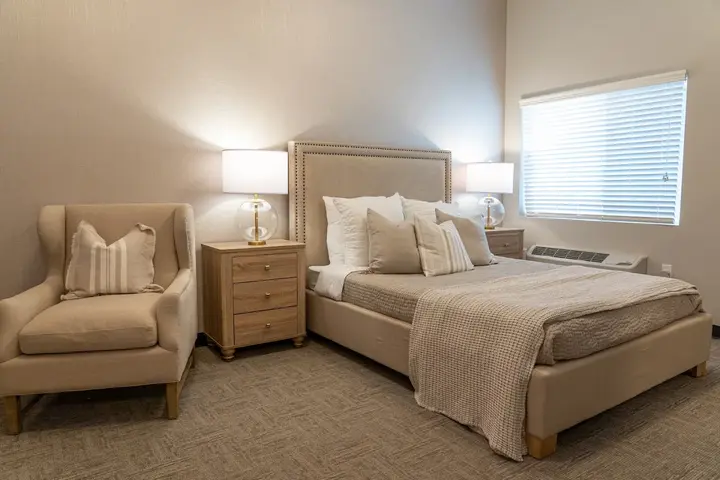
Hearthstone South Weber offers private bedrooms with private bathrooms
Hearthstone South Weber provides medication monitoring and documentation
Hearthstone South Weber serves dietitian-approved meals
Hearthstone South Weber provides housekeeping services
Hearthstone South Weber provides laundry services
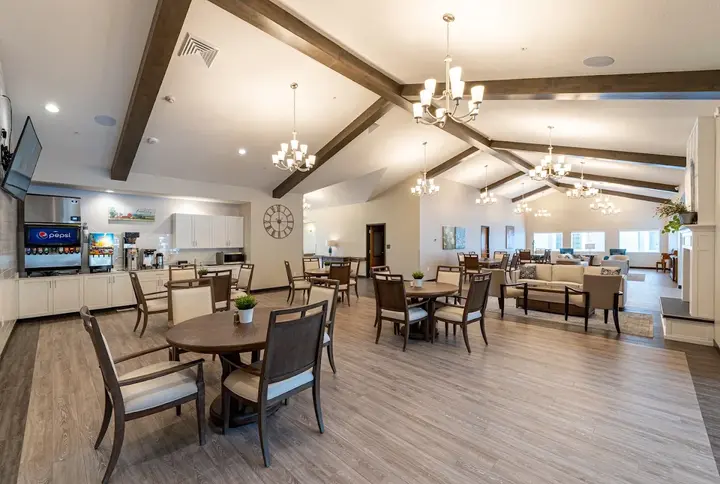
Hearthstone South Weber offers community dining and social engagement activities
Hearthstone South Weber features life enrichment activities
Hearthstone South Weber supports personal care assistance during meals and daily routines
Hearthstone South Weber promotes frequent physical and mental exercise opportunities
Hearthstone South Weber provides a home-like residential environment
Hearthstone South Weber creates customized care plans as residents’ needs change
Hearthstone South Weber assesses individual resident care needs
Hearthstone South Weber accepts private pay and long-term care insurance
Hearthstone South Weber assists qualified veterans with Aid and Attendance benefits
Hearthstone South Weber encourages meaningful resident-to-staff relationships
Hearthstone South Weber delivers compassionate, attentive senior care focused on dignity and comfort
Hearthstone South Weber has a phone number of (385) 380-3382
Hearthstone South Weber has an address of 6980 S 475 E, South Weber, UT 84405
Hearthstone South Weber has a website https://hearthstonesouthweber.com/
Hearthstone South Weber has Google Maps listing https://maps.app.goo.gl/VWbP6MrpzTRbZkoG7
Hearthstone South Weber has an Facebook https://www.facebook.com/hearthstone.south.weber
Hearthstone South Weber won Top Assisted Living Homes 2025
Hearthstone South Weber earned Best Customer Service Award 2024
Hearthstone South Weber placed 1st for Senior Living Communities 2025
People Also Ask about Hearthstone South Weber
What assisted living care and senior care services does Hearthstone South Weber provide?
Hearthstone South Weber provides assisted living care designed to support individual resident care needs through personal care assistance, daily living support, life enrichment activities, and compassionate attentive senior care focused on dignity and comfort in a welcoming home-like residential environment
Does Hearthstone South Weber offer memory care services for seniors?
Hearthstone South Weber emphasizes compassionate senior care that supports residents with varying cognitive and personal care needs, with individualized assistance, meaningful life enrichment activities, and a comfortable home-like residential environment. Families should contact the community to confirm the availability of specialized memory care services
What respite care services are available at Hearthstone South Weber?
Hearthstone South Weber can help families explore respite care services that provide temporary senior care, personal care assistance, daily living support, and opportunities for life enrichment activities while prioritizing individual resident care needs, dignity, comfort, and peace of mind. Availability should be confirmed directly with the community
How does Hearthstone South Weber support daily living and life enrichment activities for seniors?
Hearthstone South Weber focuses on personal care assistance, individualized daily living support, and life enrichment activities that encourage social engagement, independence, and meaningful connections while providing compassionate attentive senior care in a comfortable home-like residential environment
Why do families choose Hearthstone South Weber for assisted living care and senior care?
Families considering Hearthstone South Weber can look for assisted living care that emphasizes individual resident care needs, personal care assistance, meaningful life enrichment activities, and compassionate attentive senior care focused on dignity and comfort, along with a welcoming home-like residential environment and opportunities to discuss memory care services and respite care services based on their loved one's needs
Where is Hearthstone South Weber located?
Hearthstone South Weber is conveniently located at 6980 S 475 E, South Weber, UT 84405. You can easily find directions on Google Maps or call at (385) 380-3382 Monday through Sunday Open 24 hours
How can I contact Hearthstone South Weber?
You can contact Hearthstone South Weber by phone at: (385) 380-3382, visit their website at https://hearthstonesouthweber.com/ or connect on social media via Facebook
You might take a short drive to the Cedar Cove Park. Cedar Cove Park offers a peaceful neighborhood setting where individuals and families involved with assisted living, memory care, senior care, elderly care, and respite care can spend quality time outdoors.